

One of the most important — and most misunderstood — topics in technical analysis is consolidation.
At its core, consolidation is simply price acceptance. It’s the period where buyers and sellers temporarily agree on value, allowing the market to pause, digest, and reset before the next move.
Without consolidation, price moves tend to fail. With proper consolidation, trends can persist far longer than most traders believe possible.
Why Consolidation Matters More Than You Think
Early in my career, my trainer drilled this concept into me relentlessly. His belief was simple:
As long as price consolidates properly, trends can continue indefinitely.
I still believe that today.
When a stock consolidates well, it is no longer overextended on that timeframe. The market has accepted the new price. Energy has been stored rather than exhausted.
This applies regardless of strategy.
- If you trade continuation, consolidation is what increases win rate and expands reward.
- If you trade mean reversion, the absence of consolidation is often where the best opportunities exist.
Understanding the quality of consolidation is what separates random entries from consistently high-quality ones.
Consolidation Through the Lens of Market Psychology
Think about consolidation from the perspective of the participants holding the stock.
The longer a stock consolidates:
- The more time longs have had to sell
- The more time shorts have had to press the downside
- The more volume has transacted at that price
If, after all of that time, price still cannot move lower, that tells you something important: buyers remain willing to step in at the new level.
That is strength.
Now contrast that with a stock that makes a huge move higher, barely consolidates, and then rips again.
In that case:
- Many longs haven’t had a chance to sell
- Shorts haven’t had time to position
- Price acceptance hasn’t occurred yet
At the extreme end of this spectrum are waterfall moves — sharp price changes over very little time. These are the opposite of consolidation. Few participants get filled, which is why these moves so often retrace and bounce.
Time and volume are what create acceptance. Acceptance is what creates durability.
What Separates Good Consolidation From Poor Consolidation
In my experience, consolidation quality comes down to two main variables.
1. Length of Consolidation Relative to the Prior Move
The size of the preceding move matters.
For smaller or shorter legs, I generally want to see consolidation at least down to the moving average, or longer.
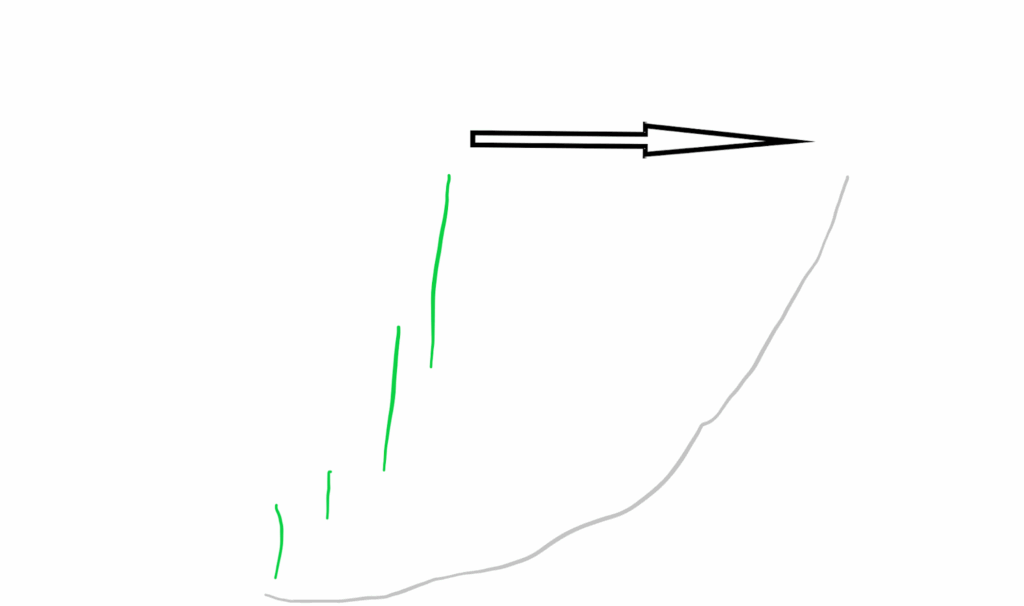
For large, impulsive moves, I’m looking for consolidation that lasts as long as the prior leg, and ideally one to two times longer.
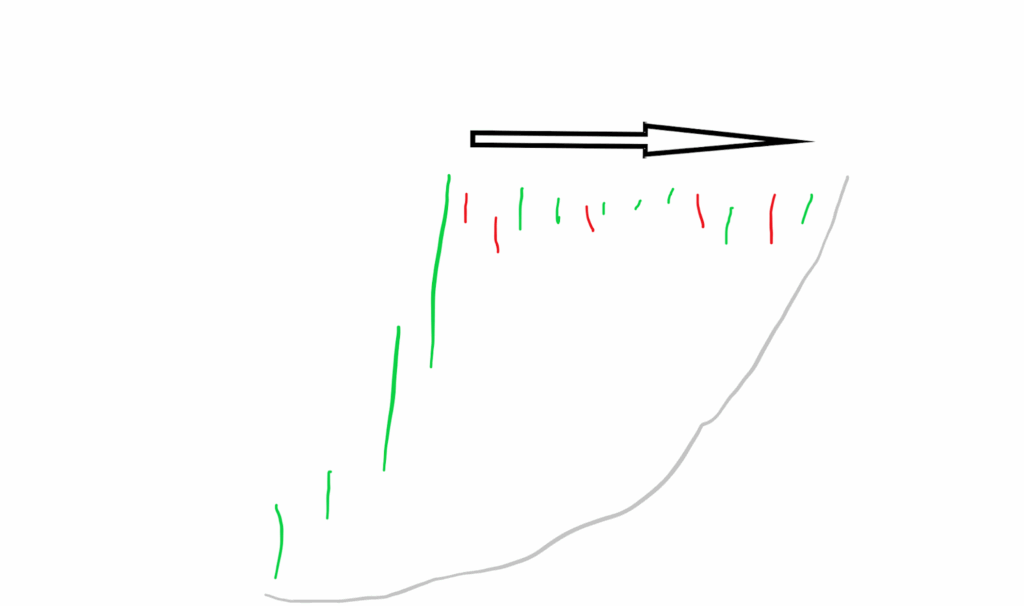
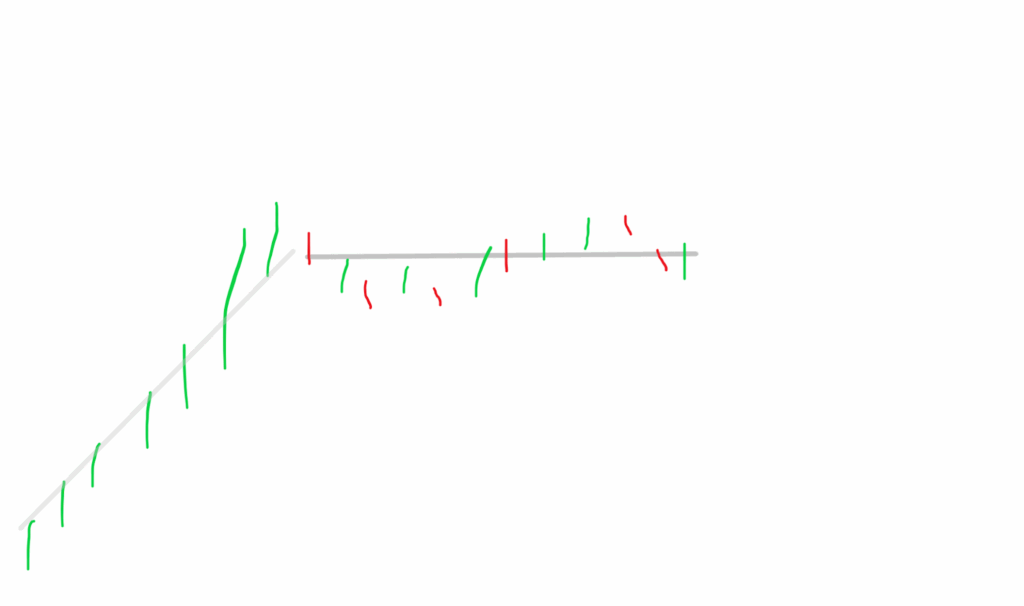
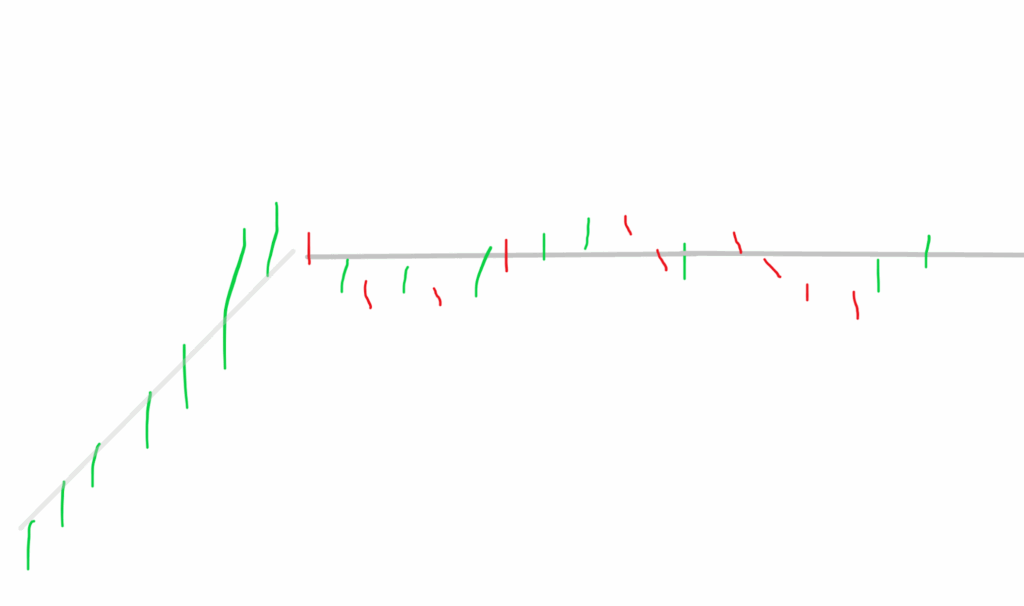
The bigger the move, the more time the market needs to digest it. Anything less increases the odds that price hasn’t truly been accepted yet.
2. Quality of the Trading Range
Not all consolidations are created equal.
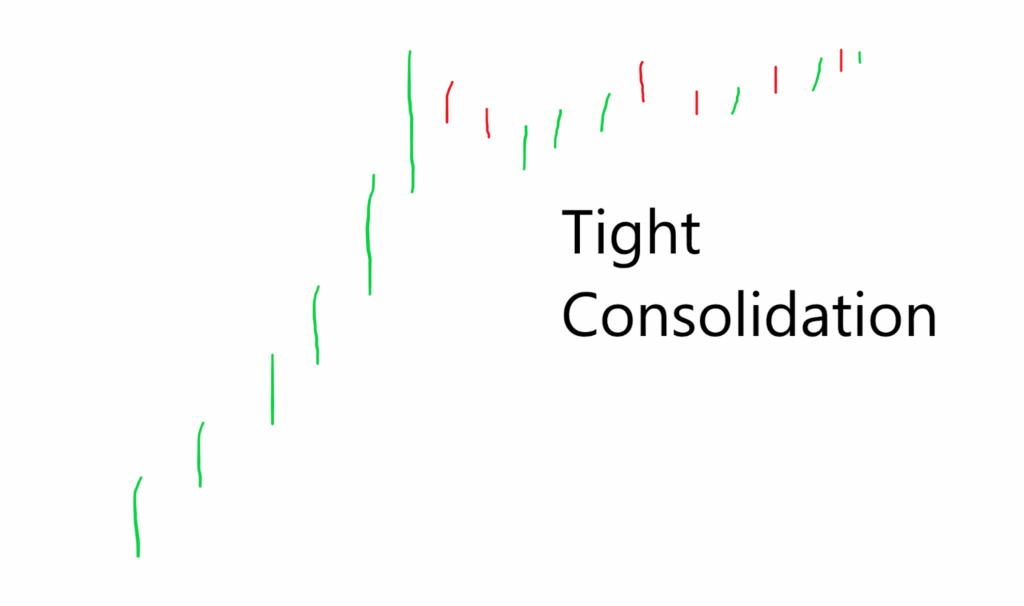
Tight, narrow ranges signal strength. They tell you buyers are aggressive and unwilling to let price drift lower.
Loose, range-bound consolidations tell a very different story. Wide swings and sloppy price action indicate hesitation and a lack of conviction from buyers.
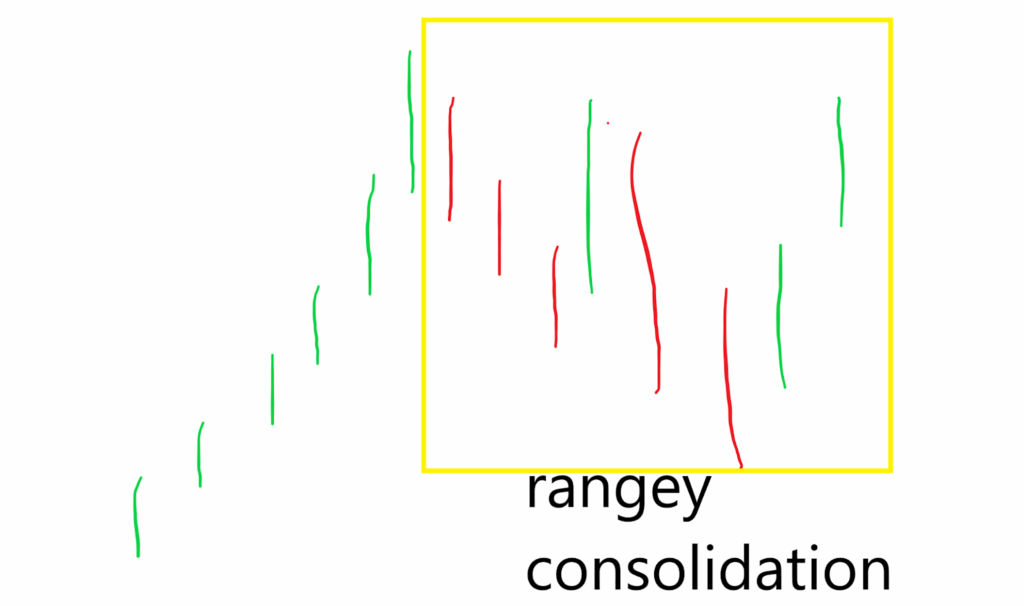
Tightness matters. Compression matters. Sloppiness is information.
Consolidation and Mean Reversion
Even if you primarily trade mean reversion, consolidation still plays a critical role.
The less time a stock has consolidated, the more interested I am in looking for a reversal. That’s where price acceptance is weakest.
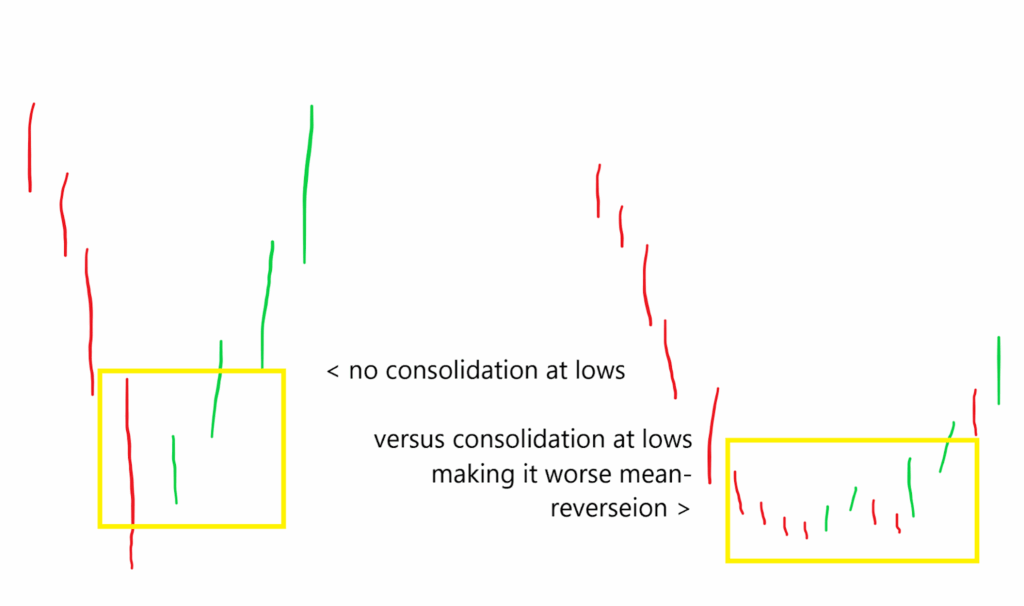
On the other hand, if a stock has consolidated cleanly for hours and then breaks out or breaks down, I generally want to be with that move — not fading it.
Proper consolidation shifts probabilities.
Putting It All Together
Mastering consolidation means learning to recognize its nuances:
- How long has price accepted this level?
- How tight is the range?
- How much volume has transacted?
- How large was the move that preceded it?
When you understand these variables, consolidation becomes more than just “chop.” It becomes a roadmap for what is likely to come next.
By respecting consolidation — and differentiating between good and poor forms of it — you dramatically improve your win rate, your reward, and the quality of your decision-making.
Consolidation isn’t boring.
It’s the foundation that sustainable price moves are built on. Want to learn how to manage a break of consolidation?
